


Tension-Type & Cervicogenic Headache
Upon the conclusion of this course the participant will understand the underlying mechanisms of tension type and cevicogenic headache and appropriate diagnostic techniques as well as multiple treatment options.
Course Dates & Locations:

Muscle Energy and Soft Tissue Techniques for the Lower Quadrant
This lab intensive manual therapy course presents the use of mechanical movements which lead to proper selection of Muscle Energy Techniques (MET), Soft Tissue Mobilization (STM), select joint mobilizations and home exercises to correct positional faults, muscular imbalance and hypo-mobility of the lumbar spine, pelvis and hip region.
Course Dates & Locations:

The Lumbo-Sacral Complex
Low back pain is a significant contributor to disability worldwide and is one of the most common conditions for which patients seek care. Treatment approaches can often be confusing due to dogmatic classification systems, which can be overly complicated and difficult to apply in a clinically meaningful way. However, patients with regional disorders often present with similar clinical presentations. These clinical presentations can often guide clinicians towards the best treatment options.
This course is designed to be eclectic in its delivery to best suit the needs the busy clinician. Treatment approaches are organized based on categories that are consistent with how patients that report low back pain are likely to present. Patients presenting with chronic low back pain, referred leg pain, SI dysfunction or even stenosis will often respond to similar treatment approaches. This course will provide treatment options in a multimodal context that are grouped to address the most common clinical presentations. Finally, treatment approaches are organized in a logical way providing examples of how the treatments could be integrated.
This course is designed to be eclectic in its delivery to best suit the needs the busy clinician. Treatment approaches are organized based on categories that are consistent with how patients that report low back pain are likely to present. Patients presenting with chronic low back pain, referred leg pain, SI dysfunction or even stenosis will often respond to similar treatment approaches. This course will provide treatment options in a multimodal context that are grouped to address the most common clinical presentations. Finally, treatment approaches are organized in a logical way providing examples of how the treatments could be integrated.
Course Dates & Locations:
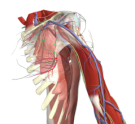
NeuroMobilization of the Upper Quadrant
This two day; hands on intensive seminar is designed to develop clinical assessment and treatment skills in advanced concepts of pain management and dysfunction in the upper quadrant.
Course Dates & Locations:
The Cervico-Thoracic Complex
Neck pain leads to significant disability and limits functional abilities for patients at all levels. Treatment approaches can often be confusing due to dogmatic classification systems, which can be overly complicated and difficult to apply in a clinically meaningful way. However, patients with regional disorders often present with similar clinical presentations. These clinical presentations can often guide clinicians towards the best treatment options.
This course is designed to be eclectic in its delivery to best suit the needs the busy clinician. Treatment approaches are organized based on categories that are consistent with how patients that report neck pain are likely to present. Clinical presentations such as chronic neck pain, radiculopathy, traumatic onset, asymmetric movements, headache or myofascial pain are common in clinical practice. This course will provide treatment options in a multimodal context that are grouped to address the most common clinical presentations. Finally, treatment approaches are organized in a logical way providing examples of how the treatments could be integrated.
This course is designed to be eclectic in its delivery to best suit the needs the busy clinician. Treatment approaches are organized based on categories that are consistent with how patients that report neck pain are likely to present. Clinical presentations such as chronic neck pain, radiculopathy, traumatic onset, asymmetric movements, headache or myofascial pain are common in clinical practice. This course will provide treatment options in a multimodal context that are grouped to address the most common clinical presentations. Finally, treatment approaches are organized in a logical way providing examples of how the treatments could be integrated.
Course Dates & Locations:
Muscle Energy and Soft Tissue Techniques for the Upper Quadrant
This lab intensive course presents both Soft Tissue Mobilization (STM) and Muscle Energy Techniques (MET) for the cervical and upper thoracic spines, upper ribs and shoulder regions.
Course Dates & Locations:
Core Stabilization: Facilitation and Training
This hands on intensive course will teach you to properly assess impaired movement patterns followed by treatment concepts focusing on corrective strategies and other facilitation techniques to enhance the quality of movement